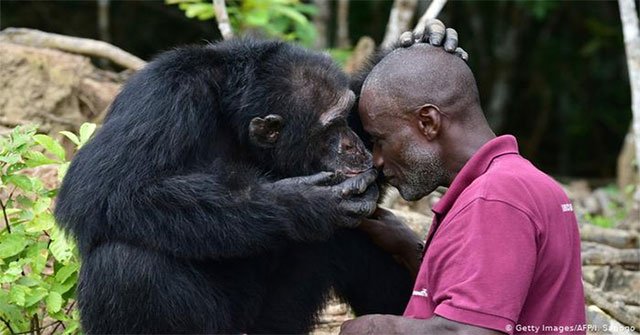
Discover science
Why are humans not as hairy as chimpanzees or gorillas?
Based on the study of evolution, we know that humans also had bushy fur. However, how they dissipate is still an unexplained unknown.
Browse ScienceInfo articles and explainers related to Evolutionary Theory.
15 published items.
Based on the study of evolution, we know that humans also had bushy fur. However, how they dissipate is still an unexplained unknown.

Neanderthals - close relatives of modern humans have thick noses, long skulls, large bone structures, possibly red hair and freckled skin.

Perhaps the most disgusting person of all time comes from a small village in Wisconsin, North America ...
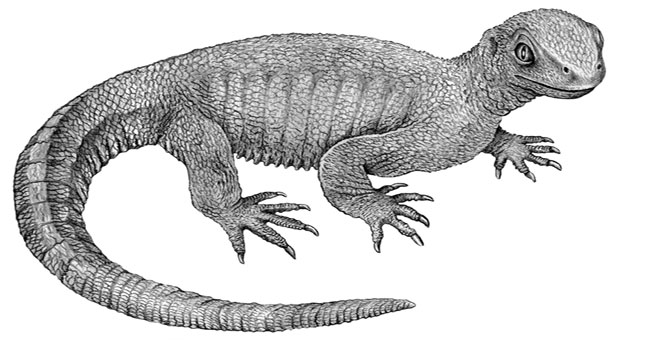
Since science and biology have not yet developed, Darwinian scientist has come up with hypotheses that explain the formation of species on earth.

Scientists with the discovery of Australopithecus fossils in southern and eastern Africa in the mid-20th century have suggested that human origins originate in Africa.
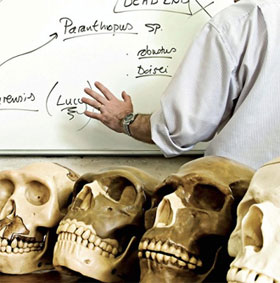
The new theory of evolution is highly controversial, including the hypothesis that human ancestors were aquatic primates that had more authentic evidence.
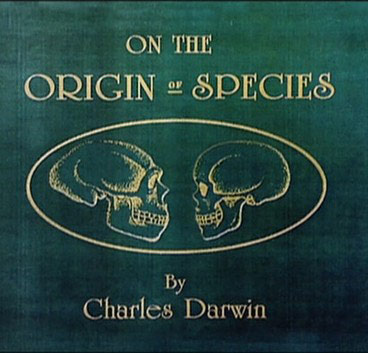
It was thanks to Charles Darwin's tireless efforts that evolution became gradually shaped by the scientific community.
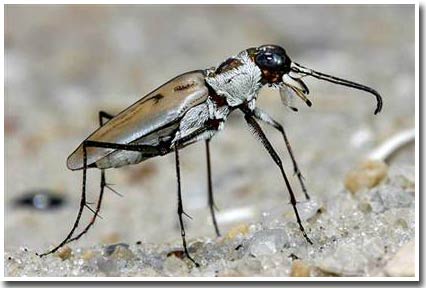
The new study shows that most modern beetle groups are present around us since dinosaurs and have become more diverse than ever.

Dealing with a disease, we often ask 'why' (why do I have it?). The question can be approached by two explanations: one is to explain the root cause directly, and the ot…
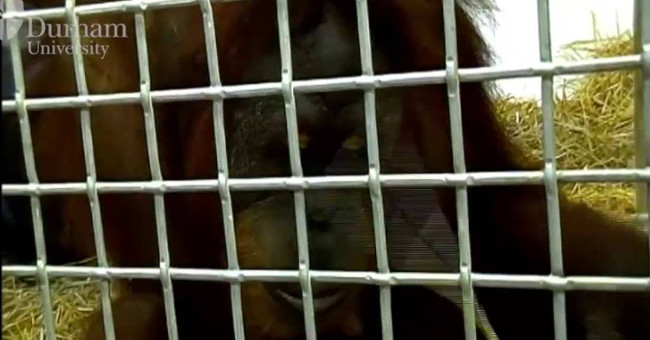
Recently, an orangutan named Rocky is said to have learned how to emit vowels and almost simulates human language.

Surely you will feel surprised at the appearance of humanity if evolved from pigs, birds, parrots ...
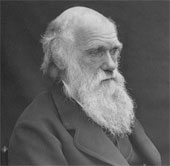
Darwin had a controversial discovery at the time, that of humans with relatives of apes.
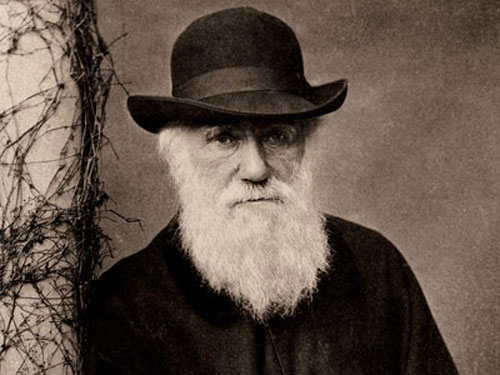
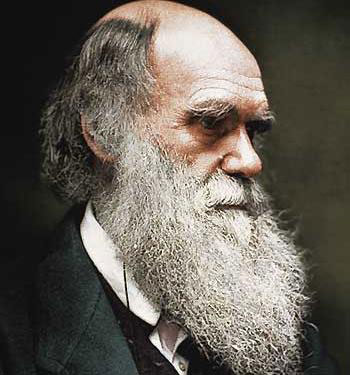
Charles Darwin, author of the doctrine of Origin of all species, died of Cyclic and syndrome.
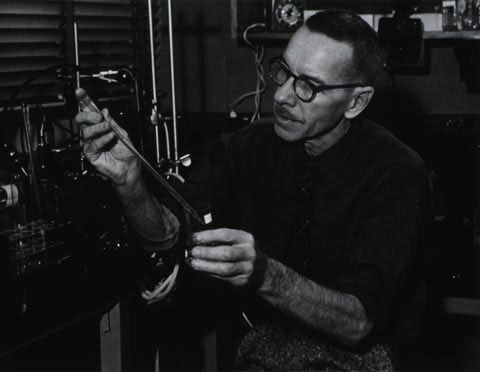
Modern science flourished in many fields with many achievements in the fields of physics, chemistry, geography, astronomy, biology, medicine, genetic engineering, ecolog…